The Gidgegannup local area includes the suburbs of Gidgegannup and Red Hill, and Avon Valley National Park to the north. The name Gidgegannup comes from a Noongar word meaning “place where spears are made” and was first recorded by passing surveyors in 1852. In 1886, the Midland Railway Company was granted large parcels of land, 40,000 acres of which were later acquired by Arthur and Robert Bunning, who founded the Bunnings Warehouse chain.
Gidgegannup is an area of regional biodiversity with an abundance of wildlife and wildflowers. The area has local waterways and significant wetlands including the Avon River, Red Swamp, Wooroloo Brook, Susannah Brook, Gidgegannup Brook and Cookes Brook.
A large area of Gidgegannup is zoned “General Rural” under the City’s Local Planning Scheme 17 (LPS 17), thereby maintaining the natural character and visual amenity of the rural landscape. The City recognises the development pressures the area is under and aims to guide the direction of future land use planning accordingly.
Explore your local area
-
Visit your local library
Find a local club
Community groups
News
For more information on clubs in Swan, visit our Club Hub.
Meet your local Ward Council Members
Councillors are elected for four-year terms, with half of the Councillor’s terms concluding at each ordinary election.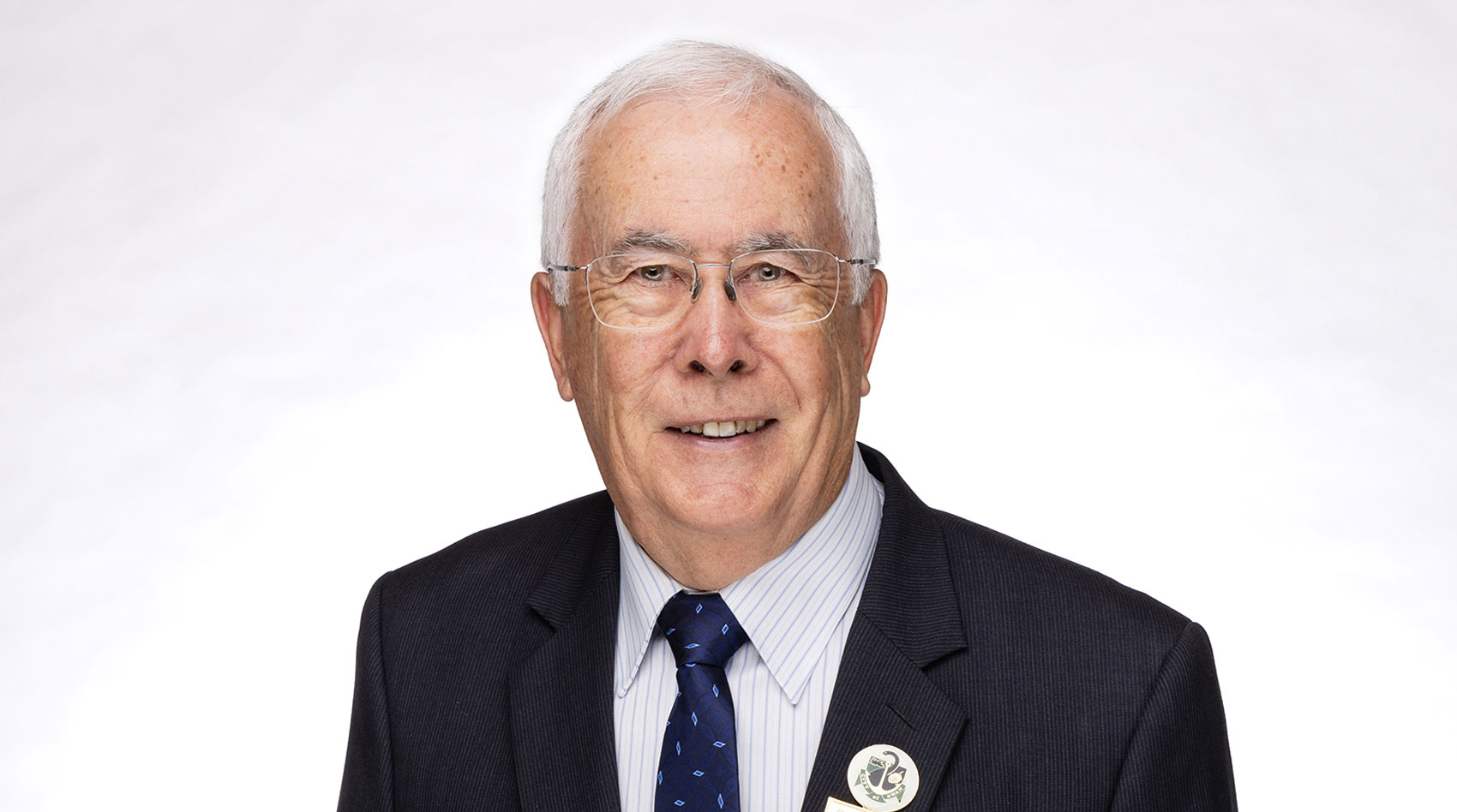 Cr Rod Henderson
Swan Valley/Gidgegannup Ward Deputy Mayor Charlie Zannino
Swan Valley/Gidgegannup WardGidgegannup local area profile
The Gidgegannup Local Area Plan
Local area planning involves consultation between community members and the City, identifying issues and prioritising the needs of their local area.
Local Area Plans (LAPS) provide the opportunity to recognise the character and needs of our diverse communities, and consolidate current or planned strategies and actions to address these.
Read your Local Area Plan
The plan highlights the priorities of the community identified during the consultation period. It also creates a roadmap for the City to plan for and deliver outcomes that meet the aspirations and needs of the community.Local area priorities
The engagement plan involved a range of workshops and events to encourage all community members to have their say and review the future priorities for the local area.-
Priority 1
Support the amenity and lifestyle of residents
-
Priority 2
Enhance the road network for all users
-
Priority 3
Balance sustainable growth with lifestyle
-
Priority 4
Protect and raise awareness of natural assets
-
Priority 5
Support and champion community
-
Priority 6
Provide bushfire mitigation education
-
Priority 7
Support local growth of shops and businesses

Contact us
Have questions or want to learn more about a project, contact us below:
| Phone | (08) 9267 9267 |
|---|---|
| Website | www.swan.wa.gov.au |
| In writing |